Deciding What an Old Fireplace Is Actually Worth Fixing
Every fireplace in Rancho Palos Verdes eventually reaches a point where the question stops being whether it still works and becomes whether it is worth fixing. An old wood-burning fireplace that gets used only occasionally, loses most of its heat up the flue, and needs a small repair every year or two is not automatically a fireplace to replace, but it is not automatically worth patching forever either. Getting that judgment right is mostly about understanding where the money actually goes.
Why an Old Open Fireplace Loses the Efficiency Argument
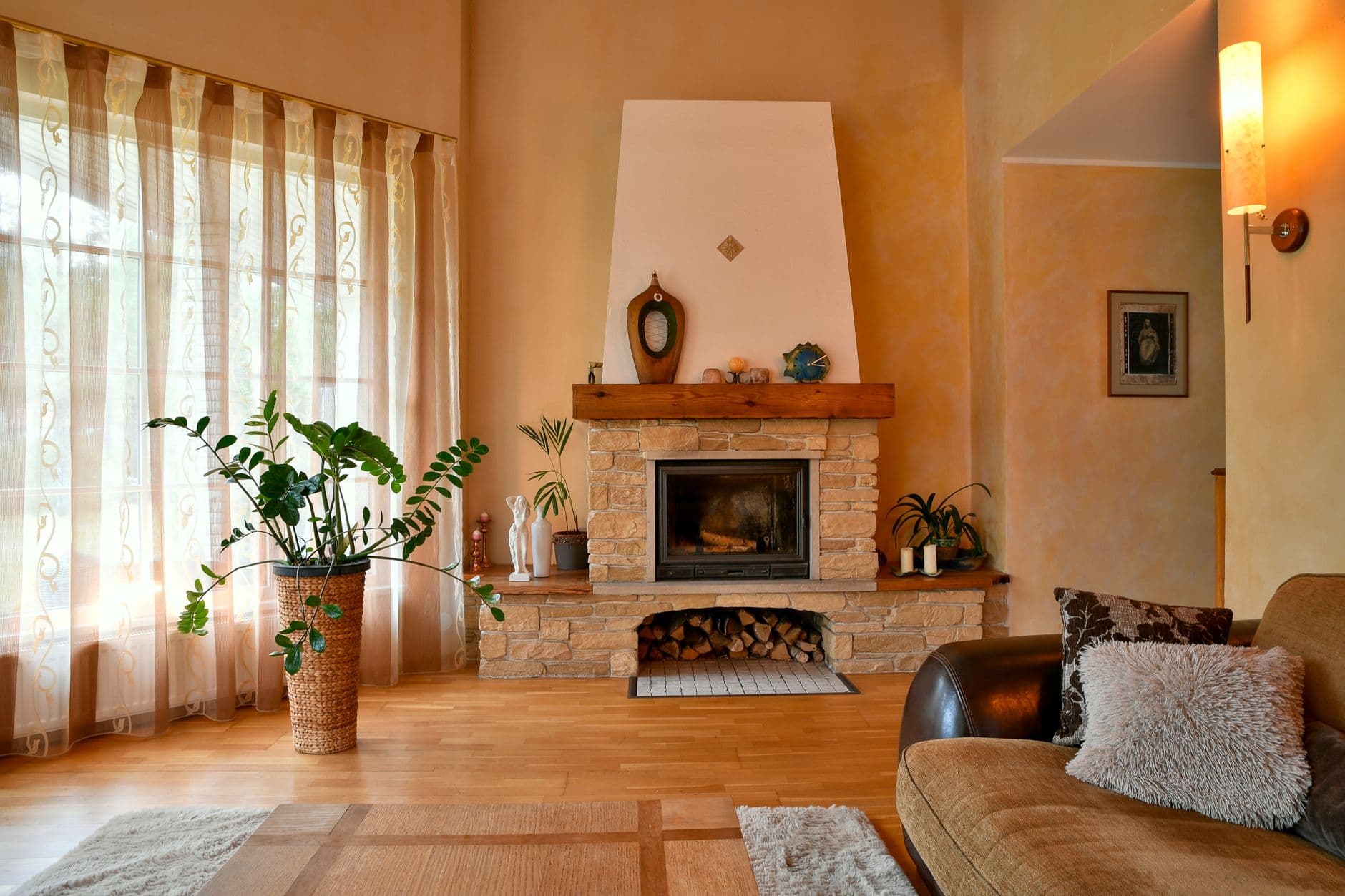
A traditional open masonry fireplace was never designed to heat a room efficiently. Most of the fire's heat goes straight up the flue along with the smoke, and the draft that carries it out pulls warmed room air with it, which is why a fire in an old fireplace can make a room feel colder once it burns down rather than warmer. That is not a sign of a broken fireplace. It is simply how an open firebox has always worked, and no amount of small repair changes that basic design.
The Repairs Worth Making on Their Own
Not every issue on an aging fireplace points toward replacement. A damper that will not seal, a cracked firebox panel, deteriorated mortar in the surround: these are contained repairs with a contained cost, and fixing them extends the useful life of a fireplace that is otherwise sound. If the structure and flue are in good condition, there is rarely a reason to replace the whole system just because a few parts need attention.
When Repair Stops Making Sense
The math changes once the list of needed repairs starts adding up faster than the fireplace actually gets used. A firebox with multiple cracked panels, a flue with liner damage, and a damper that needs replacing, all on a fireplace lit only a handful of times a season, is a system where the repair cost is heading toward the cost of a more meaningful upgrade without delivering any more heat or convenience than it does right now.
What an Insert Actually Changes
A fireplace insert fits into the existing masonry firebox and replaces an open, inefficient fire with a sealed, controlled one. Instead of pulling heated room air up the flue, an insert draws combustion air separately and returns warmed air to the room, which is the difference between a fire that mostly heats the sky and one that actually heats the house. For a fireplace that gets used occasionally, that efficiency gain matters more per fire, not less, since every one of those occasional fires is now doing real work instead of mostly running for the ambiance.
Weighing an Insert Against Continued Repairs
An insert is a bigger project than a single repair, and it is not always the right call for a fireplace that only needs one or two contained fixes. Where it starts to make sense is a fireplace already accumulating repairs on the old open system, where the next few years are likely to bring more of the same small fixes without ever solving the underlying heat loss. At that point, the insert is not competing against doing nothing. It is competing against a slow accumulation of repair bills that never actually improve how the fireplace performs.
When Leaving It Alone Is the Right Call
Not every underused fireplace needs to become a project. A fireplace in solid structural condition that gets lit occasionally for the atmosphere, with no real complaint about heat output, does not need an upgrade just because a more efficient option exists somewhere. If nothing is actively wrong and nobody in the house cares about squeezing more heat out of it, routine maintenance is the only investment that setup actually needs.
Gas as a Third Option
For a fireplace that mostly sits unused because building a wood fire feels like too much effort for how often anyone wants one, a gas conversion solves a different problem than an insert does. It does not necessarily add heating capacity the way an insert can, but it removes the friction that keeps the fireplace unused in the first place, which for some households matters more than raw efficiency.
Getting an Honest Read Before Deciding
The fastest way to know which category a specific fireplace falls into, worth repairing, worth upgrading, or fine as is, is an inspection that actually looks at the firebox, flue, and damper condition rather than guessing from how the fireplace looks from the couch. Clearpath Chimney Solutions's technicians can walk through what is actually wearing out and what that means for the options in front of you.
The Trap of the Annual "Just One More Fix"
An aging fireplace rarely fails all at once. It tends to develop one problem, get repaired, run fine for a season, then develop a different problem the following year. Taken individually, each of those repairs looks reasonable and inexpensive. Added up over several years, they can quietly total more than a single, more meaningful upgrade would have cost, without ever actually solving the underlying inefficiency that keeps generating new small failures in the first place.
What an Inspection Tells You That Guessing Cannot
Deciding between repair, upgrade, and leaving a fireplace alone from the outside is mostly guesswork, since the parts that actually determine the right answer, flue condition, firebox integrity, damper wear, are not visible without someone actually looking. Two fireplaces that look identical from the living room can be in very different condition once someone checks what is behind the fire, which is why the decision is worth basing on an actual inspection rather than how the fireplace has seemed lately.
Matching the Upgrade to How the Room Is Actually Used
Not every underused fireplace needs the same fix. A fireplace in a room the household spends real time in on cooler evenings benefits from an insert's added heat output in a way a fireplace in a rarely used formal room simply will not. Before committing to any upgrade, it is worth being honest about how the room actually gets used, since that answer changes which option, if any, is worth the investment at all.
The Cost of Waiting Too Long to Decide
The homeowners who end up spending the most on an aging fireplace are often the ones who never actually made a decision, repairing whatever failed most recently without ever stepping back to ask whether the pattern itself was worth continuing. Making a deliberate choice, even if that choice is to keep repairing a fireplace as needed, tends to cost less over time than drifting from one reactive repair to the next without ever reconsidering the bigger picture.
What a Realistic Budget Looks Like Either Way
Whether the plan is continued repair or an eventual upgrade, it helps to think in terms of what the fireplace will cost over several years rather than what the next single visit costs. A fireplace kept in good repair with occasional contained fixes can remain a reasonable, low-cost fixture for a long time. One accumulating repairs faster than it delivers use is heading toward a bigger decision whether or not anyone has acknowledged that yet.
A Note on Timing
The best time to make this call is before a repair becomes urgent, not during a cold snap when the fireplace suddenly will not draw properly. An evaluation done on your own schedule leaves room to compare options calmly, rather than accepting whatever fix is fastest because the fireplace needs to work again tonight.
Call (424) 266-4549 to have your fireplace evaluated. We work on systems throughout Rolling Hills Estates, Rancho Palos Verdes, Redondo Beach, Torrance, and Long Beach, from a straightforward repair to a full insert installation, and we will tell you which one actually fits the fireplace you have.
Need Professional Chimney Service?
Our CSIA-certified technicians are ready to help with all your chimney and fireplace needs. Contact Clearpath Chimney Solutions today for expert service throughout the South Bay / Palos Verdes service area.